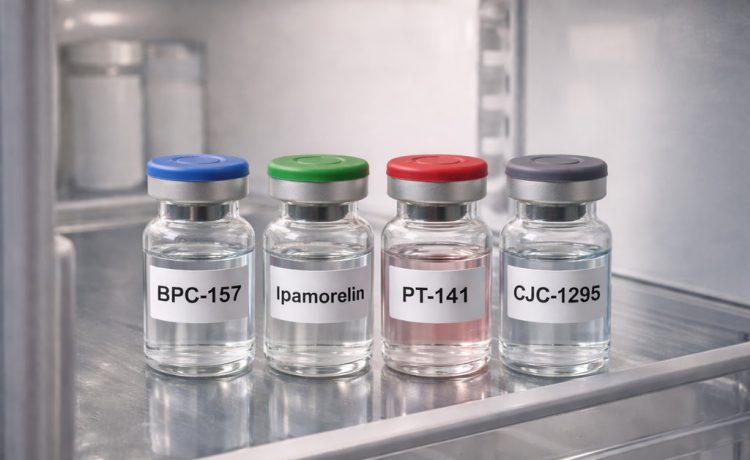
Most guides stop at “keep it cold.” That advice isn’t wrong, it’s just incomplete – and the gaps are exactly where people lose potency without ever realizing it. Storage isn’t a single rule, it’s a handful of small habits that compound over weeks. Here’s what actually matters, past the basics everyone already knows.
Light Damages Peptides Just as Much as Heat
Temperature gets all the attention, but light exposure is just as destructive – and far easier to overlook. Peptides are sensitive to UV and even ambient room light, which triggers a slow breakdown of the molecular bonds holding them together. This process, photodegradation, doesn’t announce itself. There’s no smell, no color change, nothing visibly wrong. You just end up with a weaker solution than you think you have. Amber glass and opaque storage boxes exist for this exact reason, not as packaging preference. If your vials sit on a counter or windowsill between uses, that’s a bigger factor than most people account for.
The Container You Store It In Matters More Than You’d Guess
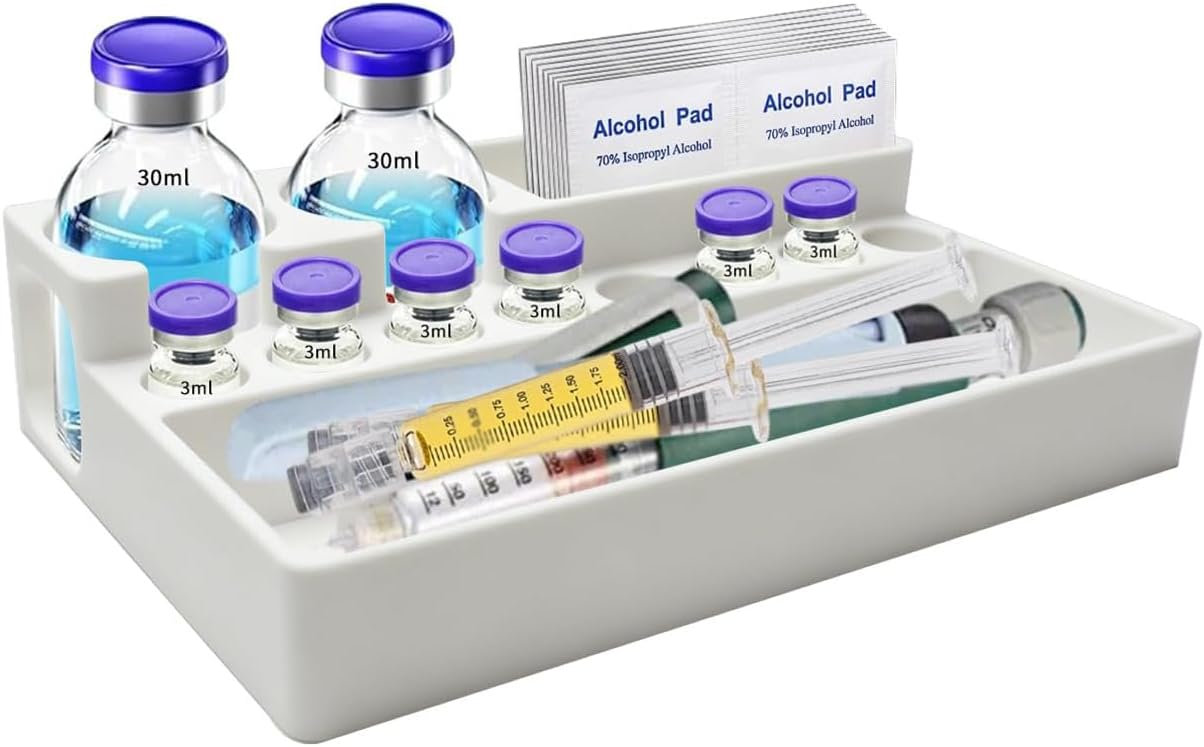
Plastic isn’t neutral. Many peptides are prone to adsorption, meaning the molecules physically stick to plastic walls and are lost from the solution entirely – you can lose a meaningful percentage of your dose to the container itself. Glass vials avoid this problem because glass is chemically inert; nothing in the solution reacts with or clings to the surface the way it can with plastic. This is why sterile glass vials are the standard across labs and pharmaceutical manufacturing, not just a formality. If you’re reconstituting and storing peptides long-term, the vial you choose is doing more work than it gets credit for.
Reconstituted Peptides Are on a Different Clock Than You Think
Lyophilized (freeze-dried) peptides are remarkably stable and can sit for a long time before you ever touch them. The moment you add water, that stability drops off fast. Reconstituted peptides typically hold potency for days to a few weeks under refrigeration, not months -and the exact window depends on the specific peptide, the water used, and how consistently it’s kept cold. People often treat the reconstitution date as a formality and forget it entirely. It isn’t. If you can’t remember when you mixed a vial, that’s a signal to be cautious, not to guess.
Every Freeze-Thaw Cycle Costs You Something
Repeatedly freezing and thawing the same vial seems harmless, but each cycle physically stresses the peptide structure. Ice crystal formation during freezing can disrupt molecular bonds, and the damage accumulates – cycle five isn’t the same as cycle one. This is why splitting a batch into smaller single-use portions before freezing tends to outperform one large vial you keep re-freezing. It takes more prep work upfront, but it protects the potency of what you’re storing. If you’ve been going in and out of the freezer with the same vial for weeks, that’s likely doing more damage than the storage temperature itself.
How You Handle the Vial Changes What’s Inside It
Shaking a vial to mix it feels natural, but vigorous agitation can denature peptides – the same mechanical stress that whisking egg whites uses to change their structure applies here too, just less visibly. A gentle swirl or rolling the vial between your palms mixes the solution without the same risk. It’s a small adjustment, but it’s one of the easiest mistakes to make without ever noticing the consequence, since a denatured peptide doesn’t look any different in the vial.
The Takeaway
None of this requires special equipment or a lab setup – it’s mostly about being deliberate with things people usually do on autopilot. Store away from light, choose the right container, track your reconstitution date, minimize freeze-thaw cycles, and mix gently instead of shaking. Individually, each habit seems minor. Together, they’re the difference between a peptide that performs as expected and one that quietly underdelivers for reasons you never traced back to storage.